Who We Are
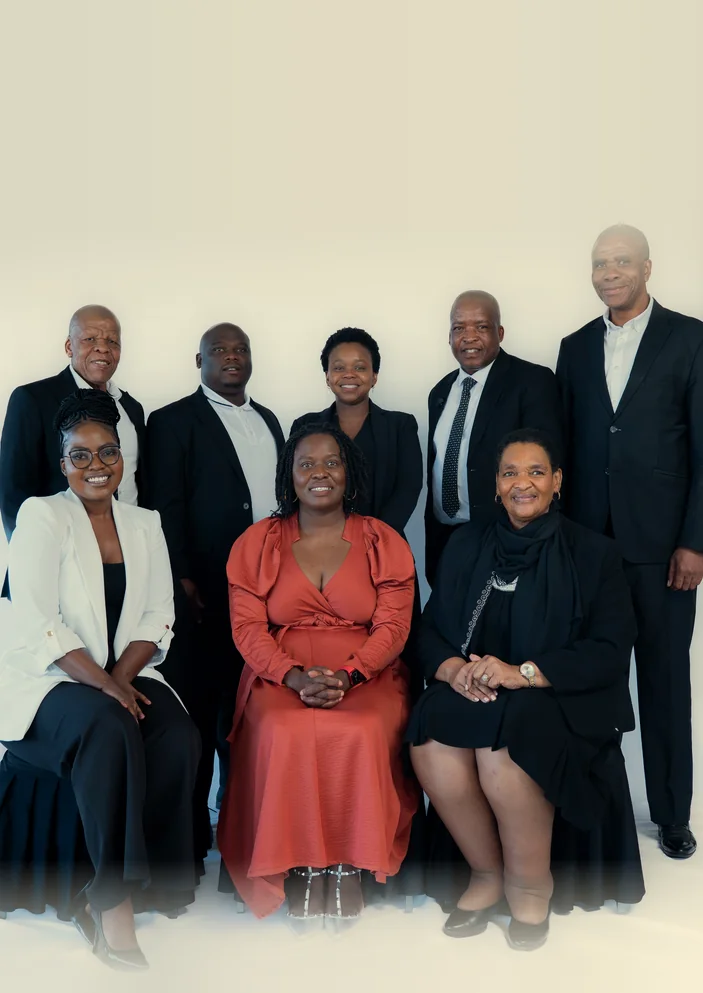
Dikuno Tša Sechaba Community Development Trust was established in 2012 as a Public Benefit Organisation with a clear mandate: to promote sustainable development and create lasting opportunities for the communities around the Amandelbult mining operation.
We are part of the Alchemy family of community development trusts, created through Valterra Platinum’s landmark R3.5 billion community empowerment and shared ownership initiative.
Our structure
Dikuno is supported through the broader Alchemy structure and the Lefa La Rona Trust, which holds community shareholding on behalf of beneficiary communities. Together, these structures make sure that value created today contributes to long-term social and economic development for current and future generations.
What makes us different
What sets Dikuno apart is the scale and diversity of the communities we serve across two provinces. The geographic reach is wide, but our purpose stays the same: to work alongside communities, partners and stakeholders to strengthen local capacity and contribute to development that improves lives now while building resilience for the future.
Our vision
To contribute towards sustainable community upliftment through mining, and beyond mining, and to further enhance sustained and diverse socio-economic development in local communities through active participation and development partnerships.
Our mission
To contribute towards leading the development aspirations and achievements of the communities we assist, by partnering with them to address the multi-dimensional challenges they face and to maximise the success of the work done.
Our Footprint
In line with the Alchemy principle of non-partisanship, Dikuno does not serve defined local communities. Our work focuses on the Alchemy Benefit Area, which covers communities and settlements within 15 km of the mine lease boundary.
An Integrated Benefit Area, a 50 km radius around the Amandelbult operation, surrounds it, and we can also support cooperative development projects there. These boundaries are indicative.
- 7,800 km²development footprint
- 160,000+people served
- 2provinces: Limpopo and North West
We work with communities in the Thabazimbi and Moses Kotane Local Municipalities, from our base in the Waterberg District, Limpopo.
Our Journey
Dikuno’s story is one of vision, partnership and responsibility. It began with a clear belief: that meaningful development must be rooted in the real needs of communities and carried forward through action that is practical, accountable and lasting.
- 2010
Community empowerment trust
Valterra Platinum (then Anglo American Platinum) proposes a community empowerment programme funded by dividends from R1.3 billion in shares, first held under an umbrella trust, Lefa La Rona. Five independent Trusts are created to serve defined benefit areas.
- 2012–2013
Dikuno is established
Dikuno becomes a Public Benefit Trust, recognised as a Public Benefit Organisation, and its inaugural Board of Trustees is appointed in 2012. The Board has elected local Trustees, founder Trustees and an independent Chairperson.
- 2019–2025
Project implementation
Dikuno delivers projects in education, health, digital inclusion and community infrastructure across Limpopo and North West.
- 2026
Updated 20-year vision
Dikuno updates its 20-year development vision, built around five development goals.
- 2027
Five-year plan begins
Dikuno begins implementing its five-year operational plan with its keystone partners, designing benefit activities with input from the people directly affected.
From projects to long-term outcomes
Individual projects can deliver real benefit, but lasting development needs a deliberate focus on long-term outcomes. Dikuno is steadily moving from a project-centred approach to an outcomes-centred one. That means asking not only what activities we will carry out, but also what long-term change they are meant to achieve and how that change contributes to a broader vision for the future.
Impact by Design
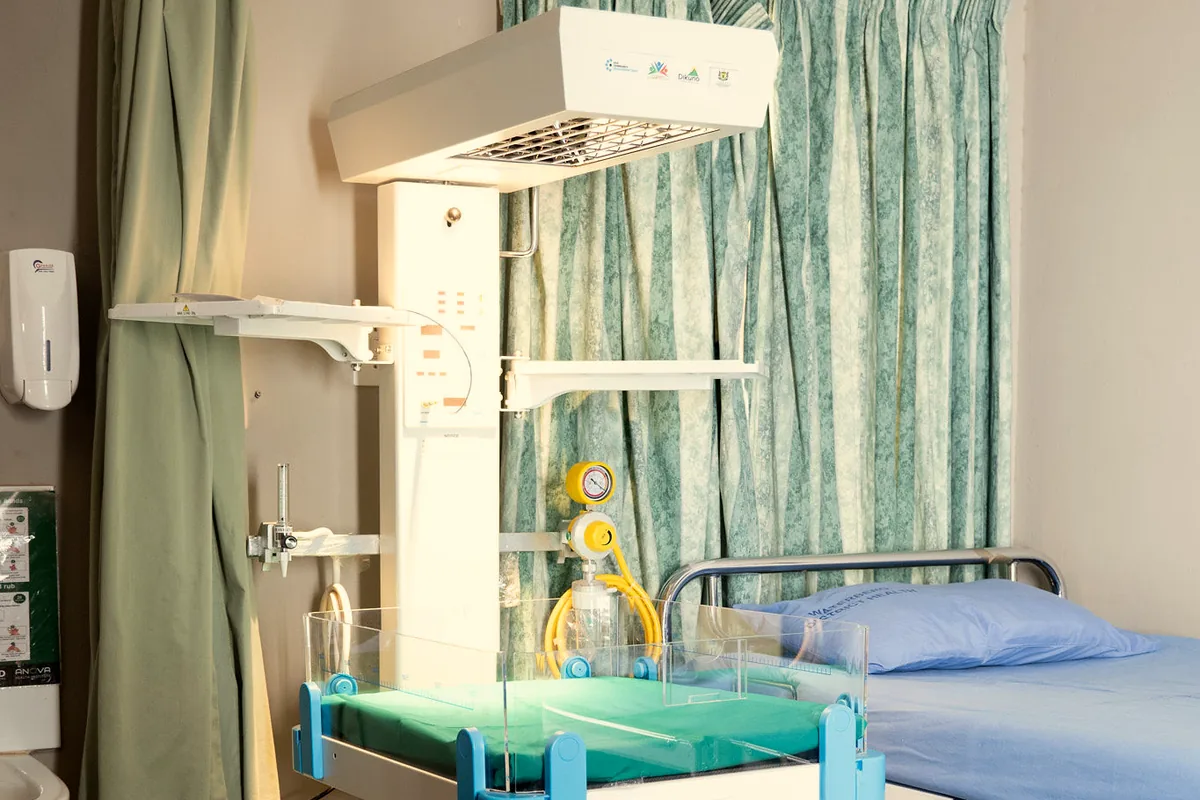
Development should be intentional, evidence-based and focused on long-term outcomes rather than short-term outputs. We look at the difference our investments make over time, not only at how many projects we complete.
Resource Mobilisation
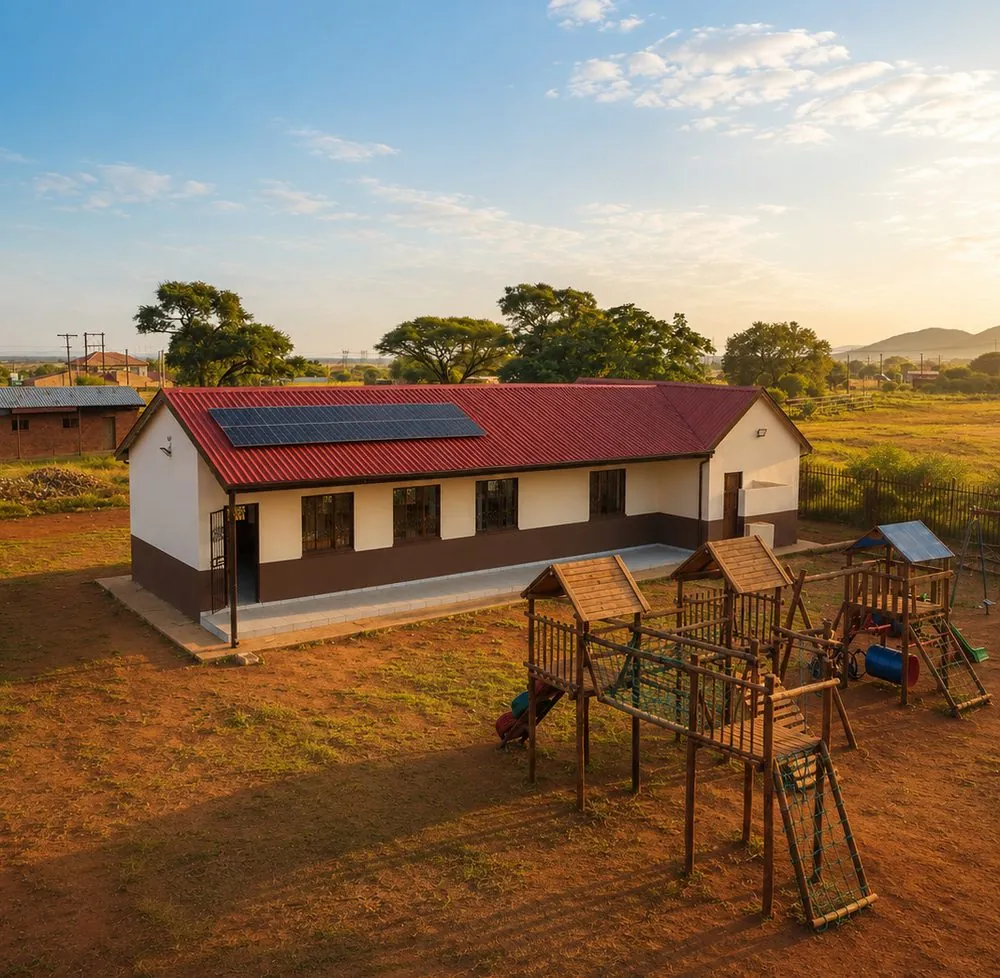
Sustainable development grows when organisations, institutions and communities draw on their collective strengths. We build partnerships that bring funding, knowledge, expertise and capacity into our benefit area.
Stakeholder Engagement
Communities stay at the centre of decisions, planning and delivery. We work with traditional leadership, municipalities, government departments, civil society, development partners and the private sector.
Our impact pathway
Short-term outputs
Activities and projects address immediate needs and deliver essential services.
Intermediate outcomes
Strengthened capacities, improved systems and stronger relationships enable meaningful change.
Long-term outcomes
Communities become more resilient and better able to manage challenges and opportunities.
Long-term transformation
Sustainable, inclusive development leads to lasting improvement in well-being and opportunity.
Viewed this way, development is a cumulative process in which individual projects contribute to broader community outcomes and, ultimately, to long-term transformation. Future projects will be designed and prioritised by how far they contribute to our long-term development goals, informed by evidence, stakeholder engagement and partnership opportunities.
Our 2046 Goals
Our 20-Year Development Vision is built around five connected goals that reflect the dimensions of community wellbeing across the life course. Progress in one area reinforces outcomes in another, creating a more integrated and sustainable pathway for development. The destination: resilient, inclusive and thriving futures, through and beyond the life of mining.
Goal 1
Children under five are nurtured and thrive within their homes and local community.

Goal 2
Youth transition through integrated education-to-work pathways with no “exit to nothing.”

Goal 3
Youth co-produce public value through integrated, place-based economic participation.

Goal 4
Women and adolescent girls exercise reproductive autonomy within safe, protective and responsive community systems.

Goal 5
Strengthening household and community asset systems to sustain independent ageing.
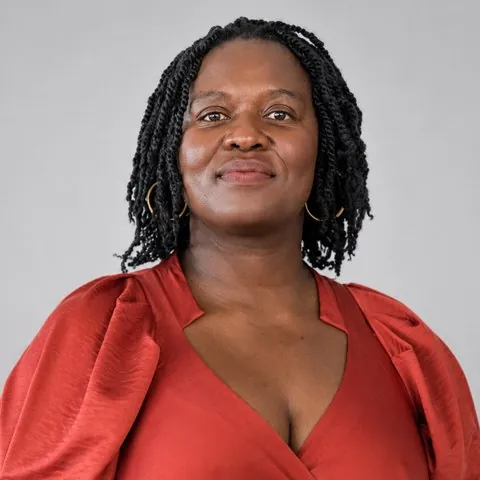
What legacy are we leaving for the communities we serve?
Nozibele Tshobeni, Chairperson
“Real success lies in whether our investments leave communities better equipped to create opportunities for themselves through and beyond the life of mining.”
Read the 2025 annual reportOur Governance
Dikuno is governed by the Trust Deed, the Trust Property Control Act and the King Code. Our Trustees follow the principles of the King Code and make sure that leadership is ethical, accountable and transparent, and that value is created over the long term. The Trust’s financial statements adhere to IFRS, accurately presenting its net income and cash flows.
The Board of Trustees oversees the Trust’s development, accounting and compliance with legislation, and manages the Trust Fund as set out in the Deed. Trustees identify, develop and shape proposals for projects that meet beneficiaries’ social and economic needs, run regular policy evaluations and notify the Lefa La Rona Trust of any irregularities.
Finance, Risk and Audit
Ensures the Trust’s financial health, accountability and resilience by overseeing financial planning, reporting and risk management.
HR and Governance
Focuses on the effective management of human resources and governance structures, keeping the Trust efficient and aligned with its mission.
Projects and Stakeholder Relations
Ensures that projects are aligned with the Trust’s strategic objectives and deliver measurable impact in the community.
Meet the people behind the Trust on our team page.
The Alchemy Family
- Ditholwana Tsa Rena Development Trust
- Dikuno Community Development Trust
- Bohwa Ja Rena Community Development Trust
- Zenzele Itereleng
- Rustenburg Community Development Trust
Voices from our communities
Through this partnership, our community has benefited from significant developments in health and education, including the recent improvements at Mantserre Primary School and the renovations at the Ipopeng Clinic.
Kgosi Poul Ramokoka, Baphalane-Ba-Mantserre Traditional Council
Dikuno has played and continues to play a pioneering role in the development of communities within which it operates, impacting positively on the lives of ordinary people.
Kgosi Molefe John Nyalala Pilane, Bakgatla Ba Kgafela, Moruleng